
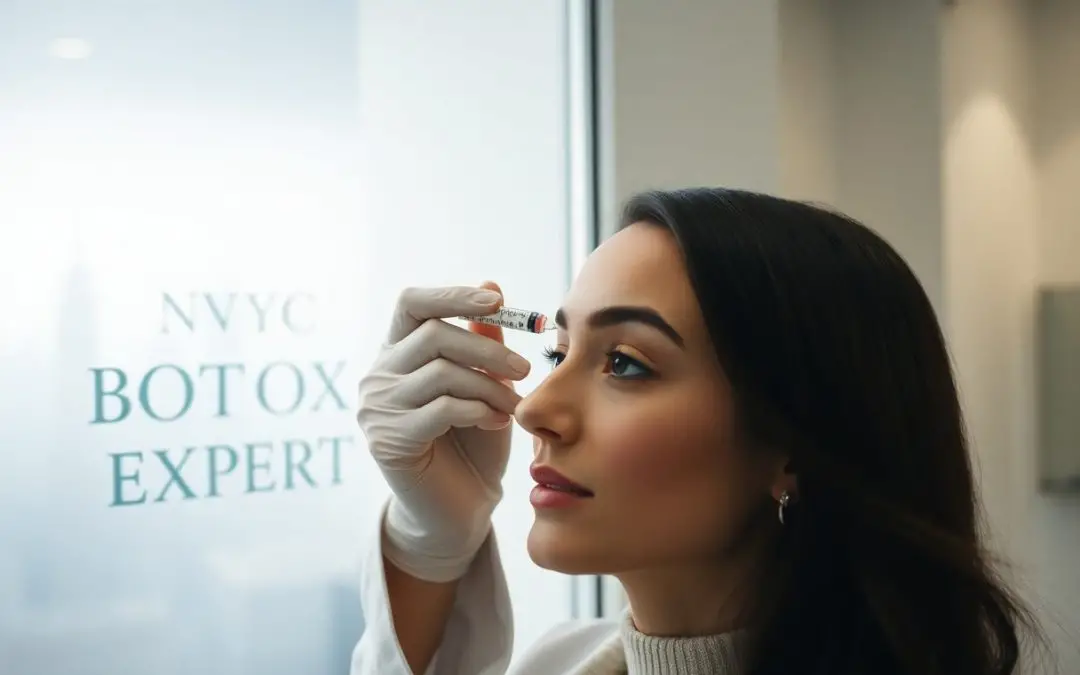
You will receive personalized Botox care in NYC that prioritizes natural-looking results, safety, and evidence-based techniques; specialists assess your facial anatomy, establish realistic goals, and customize dosing to preserve expression while addressing lines, and your consultation will clearly outline risks, expected recovery, and follow-up to help you make an informed decision with confidence.
Understanding Botox
When you assess treatment options, note that onabotulinumtoxinA has been used in aesthetics since its 2002 FDA approval for glabellar lines and commonly delivers 3-4 months of smoothing per session; onset usually appears in 3-7 days with peak effect around two weeks. You’ll find it applied not only to frown lines but also forehead and crow’s feet, and dosing is measured in units tailored to your muscle strength, anatomy, and cosmetic goals.
What is Botox?
Botox is a purified form of botulinum toxin type A produced by Clostridium botulinum, formulated as onabotulinumtoxinA for clinical use; you receive it in unit-based doses that temporarily reduce muscle activity to soften dynamic wrinkles. Clinically, practitioners select 12-40 units for common facial areas depending on muscle bulk, and the product is accompanied by standardized reconstitution and storage protocols to preserve potency.
How Botox Works
Botox acts presynaptically by cleaving SNAP‑25, a SNARE protein, which prevents acetylcholine release at the neuromuscular junction and produces temporary muscle relaxation; you’ll notice decreased contraction within days, with functional blockade reversing as nerve terminals regenerate SNAP‑25 over roughly 3-4 months. Dosing and injection sites determine the pattern of relaxation and the balance between treatment efficacy and natural expression.
Injection technique and dose distribution influence diffusion and outcomes: for example, glabellar treatment commonly uses about 20 units across five sites, crow’s feet 6-12 units per side, and forehead dosing ranges widely (4-30 units) according to frontalis strength. You benefit when clinicians use fine needles (30-32G), target motor endplate zones, and adjust for asymmetry-one case series showed predictable smoothing by day 10 and functional return at 12-16 weeks when those principles were applied.
The Benefits of Botox
Aesthetic Improvements
Targeting dynamic lines around your eyes, forehead and between the brows, Botox smooths expression wrinkles by temporarily reducing muscle activity. You’ll often notice improvement within days and peak effect by two weeks, with results typically lasting about 3-4 months. Typical dosing for glabellar lines is around 20 units while forehead treatments range 10-30 units depending on muscle strength; combining injections with tailored skincare can enhance and prolong visible benefits.
Medical Uses
Used beyond aesthetics, Botox is FDA‑approved for chronic migraine (2010), severe primary axillary hyperhidrosis (2004), and blepharospasm/strabismus (late 1980s). You may be offered Botox when other therapies haven’t controlled symptoms; treatment frequency and site selection vary by condition. For migraine, clinicians commonly schedule injections every 12 weeks, while hyperhidrosis injections are localized to the affected areas to reduce excessive sweating.
For chronic migraine specifically, the PREEMPT protocol calls for 31 injection sites totaling 155-195 units across head and neck every 12 weeks, and many patients experience meaningful reductions in monthly headache days after two treatment cycles. In hyperhidrosis care, providers often administer roughly 50 units per axilla with sweat reduction visible within about a week. You’ll receive individualized dosing and follow‑up to balance symptom relief with potential transient effects such as localized weakness or eyelid ptosis.
Choosing the Right NYC Botox Expert
Credentials and Experience
You should prioritize a board‑certified dermatologist or plastic surgeon with 3-5+ years focused on facial injectables, documented anatomy training, and a portfolio of before‑and‑after photos. Prefer injectors who disclose annual procedure counts (many NYC providers perform 1,000+ neuromodulator treatments per year), use standardized dosing, and offer follow‑up visits. Certifications from ASDS/ASPS, an aesthetic fellowship, or formal injector courses (e.g., cadaver labs) indicate advanced skill.
Patient Reviews and Testimonials
You should read reviews for specific outcomes-mentions of natural results, consistent dosing, minimal bruising, and prompt two‑week touch‑ups. Favor verified platforms like RealSelf, Google, and Healthgrades, and prioritize entries with dated before‑and‑after photos and follow‑up comments. Note recurring praise or repeated complaints about misdosing, poor communication, or unexpected costs.
When you assess testimonials, focus on granular details: patients reporting exact unit counts (for example, one noting 15 units to the glabella), onset timing (48-72 hours) and peak results at two weeks are more trustworthy. Filter for reviewers in your age and skin type, look for clinics that openly offer a two‑week complimentary touch‑up, and check how the practice responds to negative feedback; consistent, specific praise across multiple platforms suggests reliable outcomes.
The Botox Consultation Process
During your consultation the clinician assesses movement patterns, prior treatments, medication use and aesthetic goals, often using standardized photos and a 20-30 minute facial exam. They map injection sites, discuss realistic outcomes and potential side effects, and screen for contraindications such as pregnancy or neuromuscular disorders. You’ll review alternatives like fillers or lasers, receive a cost estimate, and schedule a two-week follow-up for outcome assessment and any necessary adjustments.
Initial Evaluation
Your initial evaluation documents baseline facial expression at rest and in animation, quantifies lines and asymmetries, and reviews medical history including blood thinners or prior neuromodulator reactions. Clinicians test targeted muscle activity (frown, smile, forehead raise), take frontal and lateral photos, and note previous filler placement or scar tissue. This focused assessment typically takes 15-25 minutes and determines safe dosing and optimal injection sites to preserve natural movement.
Treatment Plan Development
Plans specify units per area (forehead 10-30 units, glabella 20-30 units, crow’s feet 5-15 units per side), dilution, injection depth and spacing, plus a timeline for onset (3-7 days), peak effect (~2 weeks) and maintenance (3-4 months). You’ll get a written breakdown of costs, recommended adjunctive treatments (fillers, microbotox, lasers), and a scheduled two-week follow-up for outcome review and touch-up if needed.
For example, a 42-year-old with deep glabellar lines and mild forehead creases might be planned for 20 units in the glabella and 12 units across the forehead, staged to preserve eyebrow mobility; a two-week visit allowed a 5-unit touch-up to correct minor asymmetry. You should expect documented contingency steps-management of transient brow heaviness, guidance on activity restrictions, and a clear plan for maintenance sessions every 3-4 months based on response.
Treatment Experience
You’ll often be through the visit in 10-20 minutes, with most practitioners delivering 20-50 total units depending on areas treated; providers typically document baseline photos, map injection points, and use 30-32 gauge needles for micropunctures. Many patients report only mild pinches and return to normal activities quickly, while effects usually begin at 3-7 days and peak around two weeks, lasting roughly 3-4 months before a touch-up is considered.
What to Expect During the Procedure
Your provider will cleanse and mark target sites, then inject small aliquots-often 1-4 units per point-into muscle layers; topical numbing or ice is available if you’re sensitive. Sessions are methodical: precise placement minimizes diffusion and unwanted weakness, and clinicians commonly use standardized dosing charts for areas like glabella (10-30 units) or crow’s feet (5-15 units per side). A brief observation period follows to confirm immediate comfort.
Aftercare and Recovery
After treatment, avoid massaging or rubbing the area for 4-24 hours and remain upright for at least 4 hours to limit migration; skip heavy exercise and alcohol for 24 hours to reduce bruising risk. Mild swelling or bruises can appear within 24-72 hours and typically resolve in 7-10 days, while headaches are usually transient. Schedule a 2-week follow-up for assessment and any small adjustments.
For additional recovery support, apply a cold pack for 10-15 minutes every few hours during the first day to minimize swelling, and use concealer once any puncture marks have sealed-usually after 24 hours. If you take blood-thinning medications, discuss temporary pauses with your provider pre-procedure to lower bruise likelihood; small asymmetries at one week often even out by week two, when touch-up dosing can be precisely measured.
Potential Risks and Considerations
Even with experienced injectors, you should weigh low-probability events such as localized infection (typically under 1%), allergic reactions, and unintended muscle weakness that can cause functional or cosmetic asymmetry; technique, product selection, and your medical history determine much of the risk, and documented cases show poor placement or excessive dosing drive most preventable complications.
Side Effects
You may experience transient injection-site pain, bruising, or swelling-bruising is seen in roughly 5-10% of patients in practice-and short-lived headache occurs in up to about 10%; eyelid or brow ptosis is less common, generally reported in fewer than 2% of cosmetic treatments, and resolves over weeks to months with conservative management.
Long-term Effects
If you undergo repeated treatments, watch for reduced efficacy from neutralizing antibodies-reported in roughly 1-3% of long-term, high-dose series-and for subtle muscle atrophy or persistent asymmetry after years of frequent injections, which can alter resting facial contours.
You should track treatment intervals and total units because studies and clinical experience show spacing injections at least three months and avoiding unnecessarily high doses lowers antibody and atrophy risk; if you notice waning response after multiple cycles, clinicians may extend intervals, reduce units, switch formulations, or test for antibodies before changing strategy.
To wrap up
Presently you can rely on NYC Botox experts offering thoughtful aesthetic care to provide personalized treatment plans, evidence-based techniques, and attentive follow-up so your results balance natural enhancement with safety; their emphasis on consultation, tailored dosing, and ongoing assessment helps you make informed decisions and feel confident about your outcomes.