
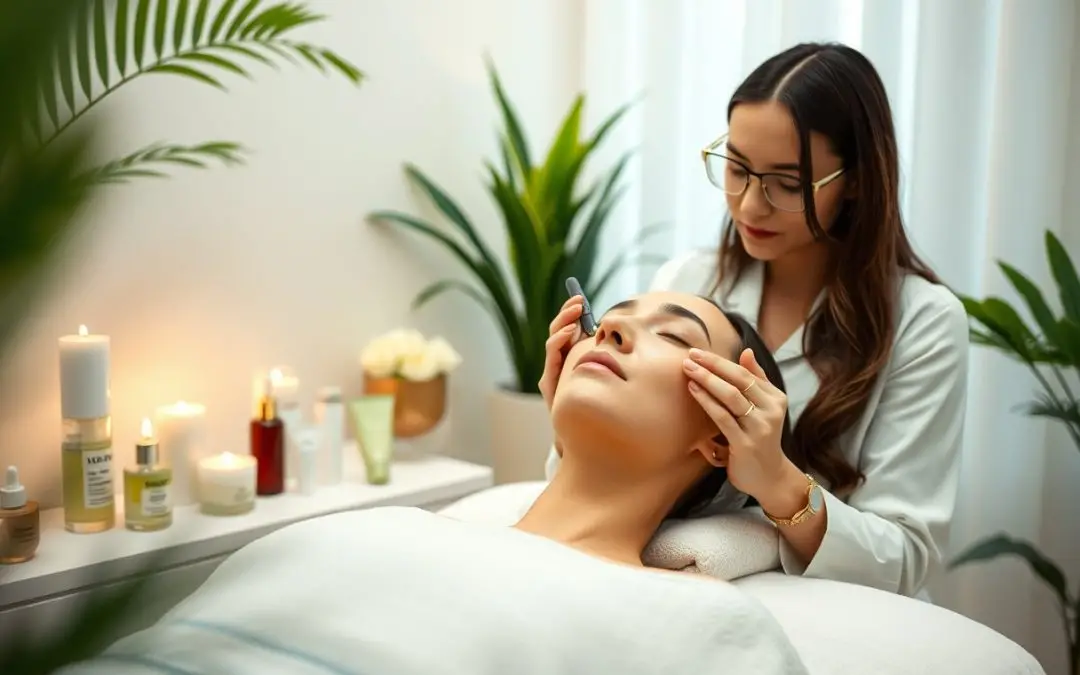
Just imagine rejuvenating your appearance without the need for invasive surgery. A nonsurgical facelift is a popular cosmetic procedure designed to enhance your facial contours and reduce signs of aging using non-invasive techniques. This innovative approach can include treatments like dermal fillers, Botox, and laser therapy, targeting specific areas to lift, firm, and revitalize your skin. Understanding these options will empower you to make informed decisions about achieving a youthful aesthetic that aligns with your personal goals.
Understanding Nonsurgical Facelifts
Definition of Nonsurgical Facelift
Nonsurgical facelift treatments are cosmetic procedures designed to improve the appearance of your face without the need for invasive surgery. These methods often focus on rejuvenating your skin by addressing issues such as sagging skin, wrinkles, and loss of volume. Popular nonsurgical facelift options include dermal fillers, Botox, and radiofrequency treatments, all of which work to enhance your facial structure and restore a youthful complexion through various techniques and technologies.
Unlike traditional facelifts, which require anesthesia and incisions, nonsurgical facelifts provide a more accessible way to achieve similar results with less downtime and minimal discomfort. This approach appeals to many individuals who are looking for quick fixes or preliminary enhancements before considering more invasive options in the future.
History and Evolution
Nonsurgical facelift techniques have significantly evolved over the years, with advancements in technology and a better understanding of facial anatomy. Initially, many of these treatments were rudimentary and offered limited results. However, with continued research and innovation, procedures such as injectables and energy-based therapies have become more sophisticated, resulting in superior outcomes and increased popularity among cosmetic patients.
Facelifts, in general, have undergone a transformation. As the demand for less invasive options grew, the cosmetic industry responded with an expanded array of treatments. This evolution reflects a shift in consumer preferences toward effective, non-invasive procedures that can be performed in a doctor’s office, allowing you to achieve noticeable results without the long recovery times typically associated with surgical facelifts. Today, you have access to a wide range of nonsurgical options that fit your needs, empowering you to make informed choices about your appearance.
1. Non-invasive procedure rejuvenates facial appearance without surgery.
2. Common techniques include fillers, Botox, and laser treatments.
3. Minimal downtime compared to traditional facelifts.
4. Results may vary; effects typically last several months.
5. Consult an experienced professional for personalized treatment.
6. Ideal for those seeking subtle, natural-looking enhancements.
Types of Nonsurgical Facelift Procedures
Even though the idea of a facelift might evoke images of invasive surgery, there are various nonsurgical facelift procedures that can help you achieve a youthful appearance. These treatments focus on enhancing your natural beauty with minimal downtime and risk. Below is a list of popular non-invasive facelift options:
- Dermal Fillers
- Botox Injections
- Thread Lifts
- Chemical Peels
- Ultherapy and Radiofrequency
Knowing the options available allows you to make an informed decision that aligns with your cosmetic goals.
| Procedure | Description |
|---|---|
| Dermal Fillers | Injectable substances used to fill in wrinkles and add volume. |
| Botox Injections | Neurotoxin treatments that relax facial muscles to reduce fine lines. |
| Thread Lifts | Involves placing temporary sutures to lift and tighten the skin. |
| Chemical Peels | Exfoliate the skin to improve texture and reduce signs of aging. |
| Ultherapy and Radiofrequency | Utilizes ultrasound or radiofrequency to stimulate collagen production. |
Dermal Fillers
With dermal fillers, you can restore lost volume and smooth out wrinkles, providing an immediate plumping effect. These fillers are typically made from hyaluronic acid, a substance naturally found in your skin that diminishes with age. The results are instant, and many people appreciate that there’s no downtime required. You can even undergo this treatment during your lunch break and return to your regular activities immediately afterward.
Different types of fillers target various areas of your face, such as the cheeks, lips, and under the eyes. They can also improve facial contours, providing a more youthful appearance. The longevity of results varies depending on the specific product used and the area treated, with some fillers lasting six months to a year or longer.
Botox Injections
Procedures involving Botox injections target dynamic wrinkles caused by muscle movement, such as frown lines and crow’s feet. This neurotoxin works by temporarily paralyzing the muscles that create these lines, allowing your skin to smooth out over time. The treatments are quick, often completed in under 15 minutes, and results can last three to six months.
Many clients find Botox to be an effective solution for achieving a more restful and youthful appearance. Despite concerns surrounding the treatment, thousands of successful procedures underscore its popularity and safety when administered by certified professionals.
It is important to discuss your expectations with a qualified practitioner, as they can tailor the treatment based on your specific needs and desired outcomes.
Thread Lifts
Thread lifts offer a unique approach to nonsurgical facelifts by using specially designed sutures to lift and tighten sagging skin. During the procedure, threads are inserted beneath the skin’s surface and gently pulled to result in a subtle lift. Unlike traditional facelifts, this option allows for adjustable and adjustable results without the need for extensive recovery time.
Additional benefits include the stimulation of collagen production, which can improve skin texture over time. Many clients appreciate the immediate results along with the gradual improvements due to enhanced collagen levels following the procedure.
Understanding the best candidates for thread lifts can help you determine if this option is right for you. It’s particularly suitable for individuals who experience moderate sagging and are seeking a less invasive solution.
Chemical Peels
An effective method for revitalizing your skin, chemical peels can improve texture and reduce the visibility of age spots and fine lines. By applying a chemical solution, the outer layers of skin dissolve, revealing smoother and more youthful skin underneath. Different types of chemical peels, such as superficial, medium, and deep, cater to various skin concerns and issues.
Depending on the type of peel chosen, you can expect varying levels of downtime and recovery. While some peels may only result in mild redness and flaking, deeper peels may require more extended recovery time. It’s crucial to consult with a skincare professional to assess your skin’s needs and determine the best peel option for your desired outcomes.
The results of chemical peels may continue to improve over several weeks, making them a great long-term investment in your skin’s health.
Ultherapy and Radiofrequency
One of the standout features of Ultherapy is its ability to lift and tighten skin using focused ultrasound energy. This technology targets the deep layers of your skin without affecting the surface, stimulating collagen production over time. Similar to Ultherapy, radiofrequency treatments utilize heat to stimulate collagen. Both options are non-invasive and provide gradual improvements that can be seen over several months.
These procedures are suitable for various skin types and can effectively address fine lines, sagging skin, and overall laxity. Many patients appreciate that the results can last for up to a year or more, making them an excellent alternative to traditional facelifts.
Fillers and radiofrequency treatments can often be combined for enhanced results, allowing you to tailor your nonsurgical facelift experience further. Exploring these options with a qualified practitioner can help you achieve a comprehensive rejuvenation that meets your skincare goals.
Benefits of Nonsurgical Facelifts
Despite the common belief that a facelift has to involve surgery, many safe and effective nonsurgical options are available today. These treatments offer a remarkable way to rejuvenate your appearance without the long downtime associated with traditional facelift surgery. If you’re curious about this option, you can learn more about The Truth About a Facelift Without Surgery. Below, we research into the key benefits of nonsurgical facelifts, from their minimally invasive nature to their impressive cost-effectiveness compared to surgical procedures.
Minimally Invasive Nature
Invasive procedures often come with numerous risks, including infection and prolonged recovery. Nonsurgical facelifts, on the other hand, generally utilize injectable fillers, laser treatments, or other non-invasive techniques that target specific areas of concern. This means you’ll experience less discomfort and lower risks associated with your treatment.
Additionally, the minimally invasive nature of these treatments allows for more flexibility in scheduling. Since you won’t need extensive aftercare or time in a recovery room, you can easily integrate your appointments into your daily life without major interruptions.
Reduced Recovery Time
The biggest pain point with surgical facelifts is the associated recovery time. Traditional procedures may require you to take a significant amount of time off work and social engagements. In stark contrast, nonsurgical options often result in minimal downtime, allowing you to return to your normal activities as soon as the treatment is over.
Nature of nonsurgical facelifts means you might experience only mild swelling or redness following treatment, and these effects are usually short-lived. You can often resume your day-to-day routines immediately, making these options incredibly appealing for those with busy lifestyles.
Natural-Looking Results
Time has shown that noninvasive techniques can offer results as impressive as, if not more than, surgical methods. With advancements in technology, treatments like dermal fillers and lasers can address fine lines and sagging skin while preserving your natural appearance. The goal of nonsurgical facelifts is to enhance your features subtly, allowing for a fresh and youthful look without the telltale signs of drastic alterations.
Another significant advantage of nonsurgical options is their gradual results. Unlike the dramatic shifts you might see after surgery, nonsurgical treatments allow for a more natural progression, enabling your skin to adjust seamlessly over time.
Cost-Effectiveness Compared to Surgical Options
CostEffectiveness is another compelling reason to consider a nonsurgical facelift. Typically, nonsurgical treatments come at a fraction of the cost of traditional surgery, allowing you to achieve impressive results without breaking the bank. Here’s a comparison of nonsurgical and surgical facelift options:
| Nonsurgical Facelift | $1,000 – $5,000 |
| Surgical Facelift | $7,000 – $15,000+ |
Plus, you also save on additional costs often associated with surgery, such as anesthesia fees and follow-up appointments for complications. This affordability makes nonsurgical facelifts a viable option for many people looking to enhance their appearance without significant financial strain.
Risks and Considerations
Your journey toward a nonsurgical facelift can be an exciting option for enhancing your appearance, but it is crucial to understand the risks and considerations involved. The treatments can vary in techniques and outcomes, and while many people achieve satisfying results, it is imperative to recognize that each treatment carries its own potential risks. If you are wondering Is a Liquid Face-Lift Right for You?, take the time to educate yourself fully before proceeding.
Potential Side Effects
Risks will inevitably vary based on the specific nonsurgical procedure you choose to undergo. Common side effects can include swelling, redness, bruising, and tenderness at the injection sites. In some cases, you might also experience more severe complications, such as allergic reactions or skin discoloration. Awareness of these potential side effects allows you to remain vigilant during the recovery process.
Moreover, while nonsurgical facelifts generally involve less recovery time than their surgical counterparts, some procedures may still lead to complications like infection or scarring. To minimize the risks associated with these treatments, it is vital to follow post-procedure care guidelines provided by your practitioner.
Importance of Choosing a Qualified Practitioner
Effects of choosing an unqualified practitioner can significantly impact not only your results but also your safety. A trained and experienced professional will have the necessary skills to administer treatments safely and effectively. It’s crucial to research potential practitioners thoroughly, looking at their qualifications, experience, and patient reviews before making a decision. The difference in your overall satisfaction with the treatment could be negligible from the wrong choice.
With the plethora of practitioners available, selecting the right one can be overwhelming. Look for those who are certified in dermatology or plastic surgery and who focus on aesthetic treatments. Consultation sessions can help you gauge their expertise and ease any concerns you might have going into the procedure.
Realistic Expectations
Qualified candidates for nonsurgical facelifts should have realistic expectations about the outcomes of the treatment. While most treatments can significantly improve your appearance, they may not achieve results as dramatic as those associated with surgical options. Understanding the limits of these procedures will help you appreciate the enhancements they can provide without setting you up for disappointment.
For instance, if you are seeking to eliminate all signs of aging, a nonsurgical facelift may not fulfill that desire. Instead, think of it as a way to refresh your look and improve specific areas. Discussing your goals and potential outcomes with a qualified practitioner can ensure you align your expectations with the realistic results these procedures can yield.
Comparing Nonsurgical and Surgical Facelifts
For anyone considering a facelift, understanding the differences between nonsurgical and surgical options is crucial. Each approach has unique benefits and limitations, which may influence your choice. For comprehensive insights, you can refer to Everything You Need to Know About Non-Surgical Facelifts. Below, we break down the key aspects of each option that can help you make an informed decision.
| Nonsurgical Facelift | Surgical Facelift |
|---|---|
| Minimally invasive procedures | Involves surgical intervention |
| Less recovery time | Longer recovery time |
| Can be repeated as needed | Results are generally permanent |
| More affordable options available | Typically more expensive |
| Results are subtle and gradual | More dramatic and immediate results |
Key Differences
Surgical facelifts are traditional procedures that involve cutting and repositioning the skin and underlying tissues. This method typically provides dramatic, long-lasting results, but it comes with the trade-offs of extended recovery times and potential risks associated with surgery. In contrast, nonsurgical facelifts utilize a variety of techniques such as injectables, laser treatments, and ultrasound, providing a more subtle enhancement with minimal downtime.
Ultimately, the choice between nonsurgical and surgical facelifts depends on your individual goals, how much downtime you’re willing to tolerate, and the extent of changes you wish to achieve. Understanding these key differences is important to making a well-informed decision that aligns with your aesthetic desires.
Indications for Each Option
Any individual contemplating facial rejuvenation must consider their specific needs, as different options cater to varying degrees of aging signs. Nonsurgical facelifts are typically suited for those seeking mild improvements, such as skin tightening or volume restoration, without the extensive downtime associated with surgical options. Surgical facelifts, on the other hand, are ideal for individuals with more significant sagging or facial volume loss who seek to achieve more pronounced results.
Indications for nonsurgical facelift candidates may include early signs of aging like fine lines and slight laxity, whereas surgical candidates often present with more advanced aging concerns, requiring procedural interventions that address deeper tissue concerns. Evaluating these factors will help you choose the most appropriate approach for your needs.
Long-Term Results
Comparing the long-term results between nonsurgical and surgical facelifts reveals that surgical options generally provide more pronounced and enduring outcomes. Once the surgical procedure is completed and the recovery time is over, you can enjoy significant improvements that often last for years. Conversely, nonsurgical options usually yield more temporary results that require regular maintenance to preserve the desired effects.
Plus, while nonsurgical treatments can be repeated, the cumulative cost may add up over time, potentially making surgical options a more cost-effective solution in the long run. Ultimately, the choice you make will significantly depend on your individual preferences regarding results, maintenance, and overall aesthetic goals.
Candidate Selection
Once again, selecting the right candidate for a nonsurgical facelift is crucial to achieving optimal results. This involves evaluating various factors that contribute to your unique skin type, age, and lifestyle. By understanding these criteria, you can better determine if you are a suitable candidate for the procedure and what specific treatments may be most beneficial for you.
Assessing Skin Type and Condition
To properly evaluate your candidacy for a nonsurgical facelift, an assessment of your skin type and condition is imperative. Different skin types, such as oily, dry, or combination skin, respond differently to various treatments. Additionally, if you suffer from skin conditions like rosacea, eczema, or severe acne, it may impact the type of nonsurgical procedure recommended. A thorough consultation with a qualified practitioner will help you identify your skin type and determine the best course of action tailored to your needs.
In this assessment, your healthcare provider will also examine the elasticity and overall quality of your skin. Factors like fine lines, wrinkles, volume loss, and sagging skin are crucial indicators of what you may require. Understanding these details will enable you and your practitioner to create a personalized plan that enhances your facial contours without compromising your skin’s health.
Age Considerations
An important factor to consider when evaluating your candidacy for a nonsurgical facelift is your age. Individuals in their 30s and 40s often seek nonsurgical options to prevent early signs of aging, while those in their 50s and 60s may look for solutions to reverse existing signs. Each age group presents unique skin characteristics; thus, the effectiveness of procedures may vary based on age and skin maturity.
With advancements in nonsurgical treatment options, patients of various age ranges can benefit remarkably. It is vital to keep in mind that while nonsurgical facelifts can produce excellent results, patients may require different techniques depending on their specific age-related concerns—whether it’s sagging skin, loss of volume, or fine lines and wrinkles. A professional evaluation will help guide you in selecting the most effective treatment for your age group.
Lifestyle Factors
Type of lifestyle you lead can significantly influence your candidacy for a nonsurgical facelift. Your daily habits, such as smoking, sun exposure, and skincare routine, can all affect the skin’s health and elasticity. For instance, individuals who smoke or frequently expose their skin to the sun may face more visible signs of aging, requiring a more tailored approach to treatment. It’s also crucial to discuss your skincare products and routines with your practitioner to achieve the best possible results.
- Smoking habits
- Sun exposure and protection
- Current skincare routine
- Diet and hydration levels
The success of a nonsurgical facelift is interconnected with your lifestyle. By understanding these factors, you can make informed choices and take necessary actions to enhance your skin’s health prior to the procedure.
Condition of your overall health is another consideration that can impact your candidacy for a nonsurgical facelift. Chronic conditions or medications may affect healing and the effectiveness of treatments. Before proceeding, be sure to discuss any existing health issues with your practitioner.
- Chronic health conditions
- Medications and supplements
- Allergies or sensitivities
As you prepare for a consultation, be open about your health conditions to ensure you receive the most appropriate treatment options for your needs. The more you can share with your practitioner, the better they can customize your approach to achieve the youthful appearance you desire.
Final Words
Ultimately, a nonsurgical facelift offers you a non-invasive alternative to traditional surgical procedures for rejuvenating your appearance. By leveraging techniques such as dermal fillers, laser therapy, and other innovative treatments, you can achieve a lifted, more youthful look without the downtime associated with surgery. These procedures can enhance your facial contours, smooth out wrinkles, and restore volume, all while providing natural-looking results that allow you to maintain your everyday lifestyle.
Understanding your options is crucial as you navigate the ever-evolving field of aesthetic treatments. Considering a nonsurgical facelift can be an effective way to address specific skin concerns while minimizing the risks and recovery time involved with surgery. By consulting with qualified professionals, you can determine the best treatment tailored to your unique needs, ensuring you look and feel your best at any age.