
Many individuals considering Botox treatments often wonder what recovery entails. Understanding the post-procedure experience is crucial for managing your expectations and ensuring optimal results. In this blog post, you’ll discover the various stages of recovery, potential side effects, and tips for a smoother healing process. By equipping yourself with this knowledge, you can confidently navigate the days following your treatment and enhance the overall effectiveness of your Botox injections.
The Immediate Aftermath: Expectations vs. Reality
Post-Botox, many patients anticipate a flawless transformation, but the reality can differ significantly. Expect some swelling and redness at injection sites—these side effects are not only common but usually temporary. While immediate smoothing of wrinkles may occur, most will notice the full effects develop over several days, challenging your initial expectations.
Common Reactions: What Most Patients Experience
Following your Botox treatment, mild discomfort, bruising, and swelling at injection sites are typical reactions. A slight headache is also common and usually subsides after a day or two. These reactions often mimic the body’s immediate response to any foreign substance, reflecting the normal healing process.
The Timeline of Initial Side Effects
Initially, you might experience side effects like redness or swelling within hours of your treatment. Bruising may appear within the first 24 hours, usually fading after a few days. Headaches can occur shortly after injection but typically resolve within 48 hours, while the full results of Botox begin to show around the third or fourth day post-treatment.
Initial side effects usually manifest quickly, generally within the first couple of hours after the injections. While swelling and redness may be noticeable, these symptoms commonly peak in intensity on day two before gradually dissipating. Bruising, if it occurs, can linger for up to two weeks. Understanding this timeline helps set realistic expectations, allowing you to appreciate the gradual settling of swelling and the full emergence of Botox’s effects by the end of the first week.
The Hidden Journey: Psychological Impacts of Botox Recovery
Embarking on the Botox recovery journey can evoke complex psychological responses. The anticipation of enhanced beauty often collides with the reality of your own self-perception during healing. You may find yourself reflecting on your expectations versus actual results, sparking feelings of anxiety or even regret. As your body adjusts, so too does your mental state, navigating through a mix of excitement, apprehension, and, at times, disappointment. Understanding these emotional layers can be vital in fostering a positive recovery experience.
Body Image Shifts: Navigating New Perceptions
Your body image can undergo significant changes post-treatment. As subtle transformations unfold, you might perceive yourself differently in the mirror. It’s common to experience a shift in how you see your reflection, which can either bolster confidence or provoke insecurity. Engaging with these feelings honestly allows you to adjust to your new appearance and can help build a healthier relationship with your self-image.
Emotional Responses: From Anticipation to Acceptance
Transitioning from the excitement of a cosmetic enhancement to the acceptance of the outcome often presents a rollercoaster of emotions. Initially, you may wake up preparing to embrace a fresh look and all its potential compliments. However, as the healing process begins, doubt and impatience can creep in, as the effects of Botox might not be immediately visible. Embracing this emotional journey involves cultivating patience, recognizing that beauty is subjective, and giving yourself time to acclimate to your transformed self.
As the days pass and results begin to materialize, the initial mix of anxiety and anticipation can evolve into a sense of satisfaction, as well as gratitude for the choice you’ve made. Celebrating small milestones, like noticing enhancements in specific areas or receiving positive feedback from others, can contribute to a shift in mindset. Surrounding yourself with supportive friends or engaging in communities that discuss cosmetic procedures can foster a positive dialogue. It’s normal to feel a little out of sorts during this transitional phase, yet leaning into the process enhances the journey to acceptance and reinforces a more favorable self-image in the long run.
Physical Recovery Unveiled: What You Didn’t Know
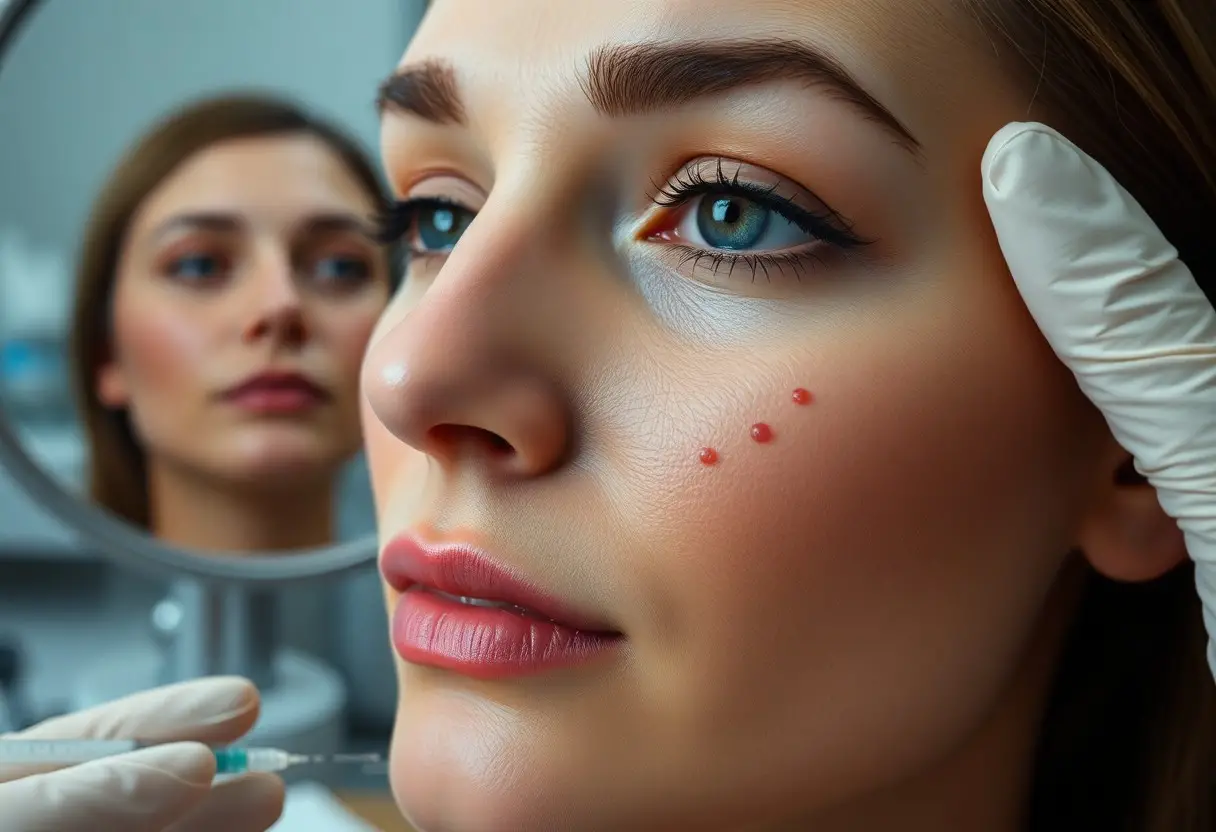
Understanding the physical recovery process is important for anticipating your post-Botox experience. Most people don’t realize that the healing phase can involve discomfort such as bruising and swelling, which may persist for several days. Although these side effects are often temporary, knowing what to expect will help you navigate this period more comfortably and reduce any anxiety associated with your recovery journey.
Bruising, Swelling, and the Healing Process
Your skin might show some signs of bruising or swelling after injections, which are common responses to the procedure. Typically, any discoloration fades within a week, while swelling can subside within a few days to a couple of weeks. Using cold compresses right after your treatment may help reduce these symptoms, making your recovery smoother.
Factors Affecting Recovery Time: Age, Skin Type, and Injection Technique
The duration of your recovery can greatly depend on several factors, including your age, skin type, and the technique your practitioner uses. Younger skin often heals faster due to its elasticity, while older skin may take longer to recover. Your individual skin type, whether oily, dry, or sensitive, also plays a role in how your body reacts to Botox injections.
- Age: Younger individuals may notice quicker recovery times.
- Skin Type: Dry or sensitive skin could lead to longer healing periods.
- Injection Technique: Precision and methodology of the practitioner can minimize side effects.
Additionally, your overall health, medication regimen, and even hydration levels can influence how quickly you bounce back. Each person’s anatomy is unique, which leads to variability in healing responses across the board. During your consultation, discussing these factors with your injector may provide clarity on what to expect.
- Overall health: Pre-existing conditions might prolong recovery.
- Medication: Certain medications can affect your healing process.
- Hydration: Staying well-hydrated helps facilitate the healing process.
The Path to Peak Results: Timing and Patience
Achieving the best results from Botox requires an understanding of the timing involved. After your injection, waiting for the full effects to unfold can be vital. You may notice initial results within a few days, but the peak outcome typically manifests around 14 days post-treatment. This is a critical window to observe how your facial dynamics adjust to the botulinum toxin, and patience truly pays off as your skin appears smoother and rejuvenated.
When to Expect Optimal Outcomes
Optimal results usually emerge around two weeks after your Botox session, as this is when the neurotoxin has fully taken effect. You might feel some discomfort or tightness initially, but the transformative effects become more pronounced as time progresses. Any minor residual side effects, like swelling or bruising, generally subside within a few days, allowing the smoother contours to shine through.
The Role of Aftercare in Enhancing Efficacy
Your aftercare routine plays a vital role in ensuring the longevity and efficacy of your Botox treatment. Following your injector’s guidance can mitigate any side effects, helping to optimize the results you achieve.
Consider integrating specific aftercare techniques such as avoiding strenuous exercise for 24 hours, refraining from massaging the treated areas, and steering clear of heat exposure, like saunas or hot baths. This careful approach can prevent the migration of the toxin and maintain its targeted effects. Additionally, staying well-hydrated and using gentle skin-care products will further enhance your skin’s overall health, allowing the Botox results to shine even brighter. By following these post-treatment strategies, you can maximize the benefits and enjoy the full advantages of your procedure for as long as possible.

Navigating Social Interactions During Recovery
Social interactions can feel a bit daunting during your recovery from Botox, especially with the emotional and physical changes taking place. Many people find it helpful to communicate openly with friends and family, sharing that you’re undergoing a temporary cosmetic procedure. This transparency can ease any concerns they might have about your appearance and foster understanding as you navigate your healing process, helping you maintain a sense of normalcy in your social life.
Managing Expectations with Friends and Family
Setting realistic expectations with those closest to you helps demystify the recovery experience. Inform your friends and family that some swelling, bruising, or unevenness may occur initially. Letting them know your recovery timeline—from initial discomfort to the final results—can foster empathy and support, making it easier for you to socialize without feeling pressured or judged.
The Impact of Perceptions on Your Social Life
The perceptions of others can significantly affect your social interactions during recovery. If you feel self-conscious about your appearance post-Botox, those feelings can manifest in your interactions with others. You may find yourself withdrawing from social gatherings, worried about how people will perceive you. This avoidance can lead to increased anxiety and isolation, which isn’t ideal for anyone recovering from a cosmetic procedure.
Additionally, people’s opinions can vary dramatically; some may view Botox as a sign of self-care, while others might harbor misconceptions or stigmas about cosmetic procedures. Engaging in meaningful conversations about your decision can challenge stereotypes while also reassuring you that your choices are valid. Utilizing humor and honesty can lighten the mood and help diffuse any tension stemming from your temporary changes. Ultimately, fostering a supportive environment among friends and family encourages acceptance and understanding, allowing you to embrace your recovery journey without feeling burdened by external perceptions.
Conclusion
Drawing together the insights on recovery from Botox, you should feel reassured that the process is generally smooth and straightforward. After your treatment, you might notice some minor swelling or bruising, which typically subsides within a few days. It’s important to follow post-treatment care instructions to optimize your results. With patience, you’ll soon enjoy the benefits of your enhanced appearance, often within one to two weeks as the full effects develop. Staying informed and realistic about the recovery process ensures a positive experience with your Botox treatment.