
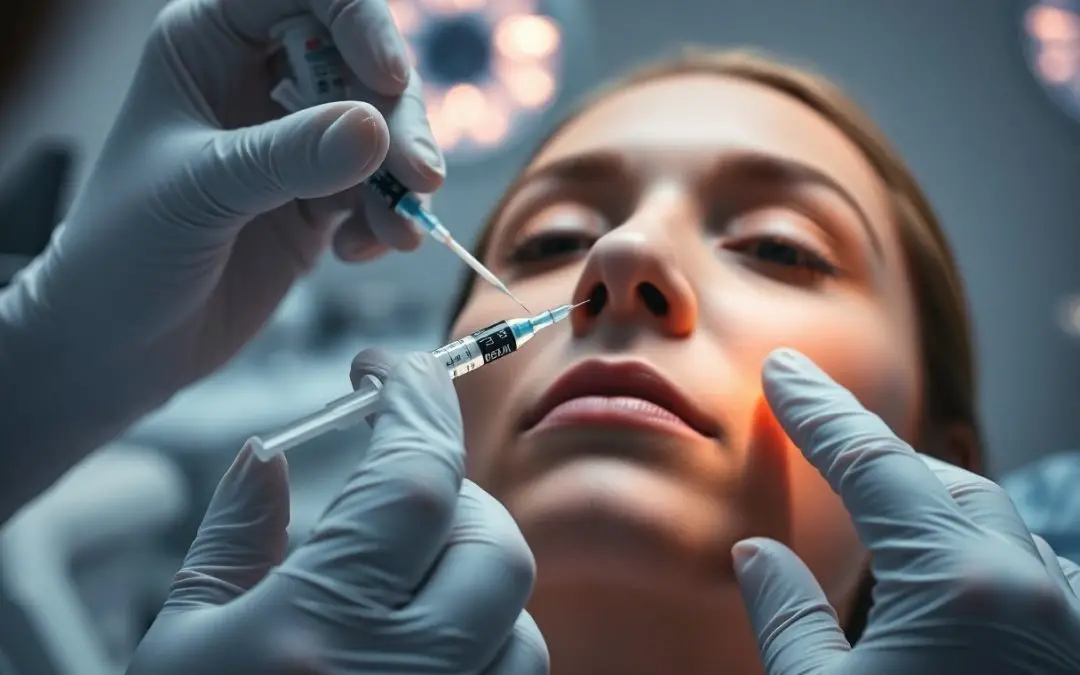
Just when you thought Botox was only for cosmetic enhancements, new research highlights its remarkable potential in alleviating chronic migraines. If you suffer from persistent headaches that interfere with your daily life, you might be curious about how this popular treatment can offer relief. In this blog post, you will explore the science behind Botox injections and their surprising effectiveness in reducing the frequency and intensity of migraine episodes, empowering you to make informed decisions about your health and well-being.
The Neuroscience Behind Botox and Migraines
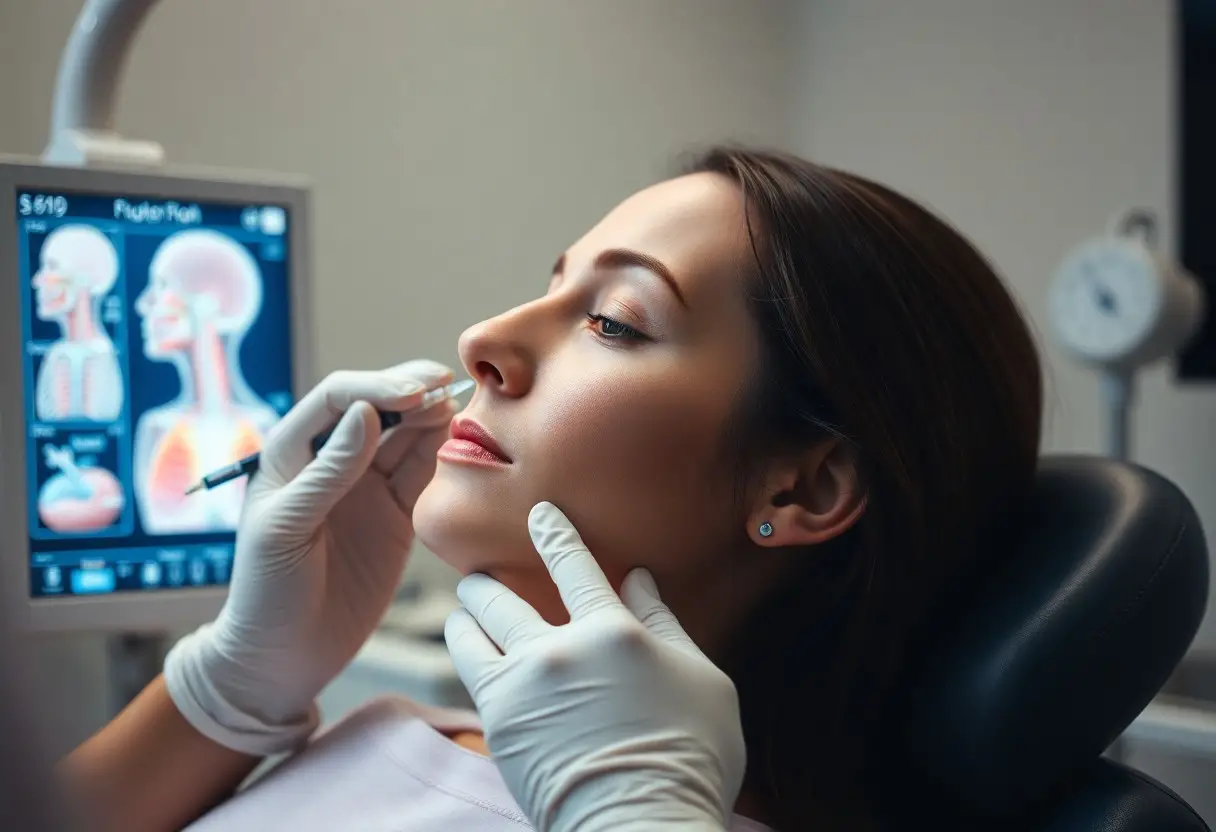
Understanding how Botox alleviates migraines involves delving into the intricacies of the nervous system. This treatment, originally designed for cosmetic use, has found an unexpected application in managing chronic migraine pain. Research indicates that the neurotoxin works by blocking the release of certain neurotransmitters responsible for pain perception. When injected into specific muscle groups, Botox intervenes in the signaling pathways that can contribute to migraine attacks, effectively reducing their frequency and intensity.
How Botox Interacts with Pain Pathways
The interaction of Botox with pain pathways occurs primarily through its ability to inhibit the release of pro-inflammatory neuropeptides, such as calcitonin gene-related peptide (CGRP). By preventing these neuropeptides from disseminating pain signals, Botox effectively alters the communication between your sensory neurons and the brain, diminishing the chances of a migraine onset.
The Mechanism of Action in Muscle Relaxation
Muscle relaxation is a significant aspect of Botox’s influence on migraine relief. When injected into muscle, Botox blocks the release of acetylcholine, a neurotransmitter that signals muscle contraction. The resulting relaxation of the muscles not only helps alleviate tension that may trigger migraines but also reduces the overall excitability of the neurons associated with headache pain.
By inhibiting acetylcholine, Botox effectively dampens muscle tension in areas often linked to migraine triggers, such as the neck and forehead. This relaxation process allows surrounding blood vessels to normalize, which can further mitigate pain pathways activated during a migraine. The impact can be profound: many patients report significant reductions in headache frequency and severity, illustrating the potential of this seemingly cosmetic treatment to provide meaningful relief from debilitating migraines.
Clinical Evidence Supporting Botox for Migraine Relief
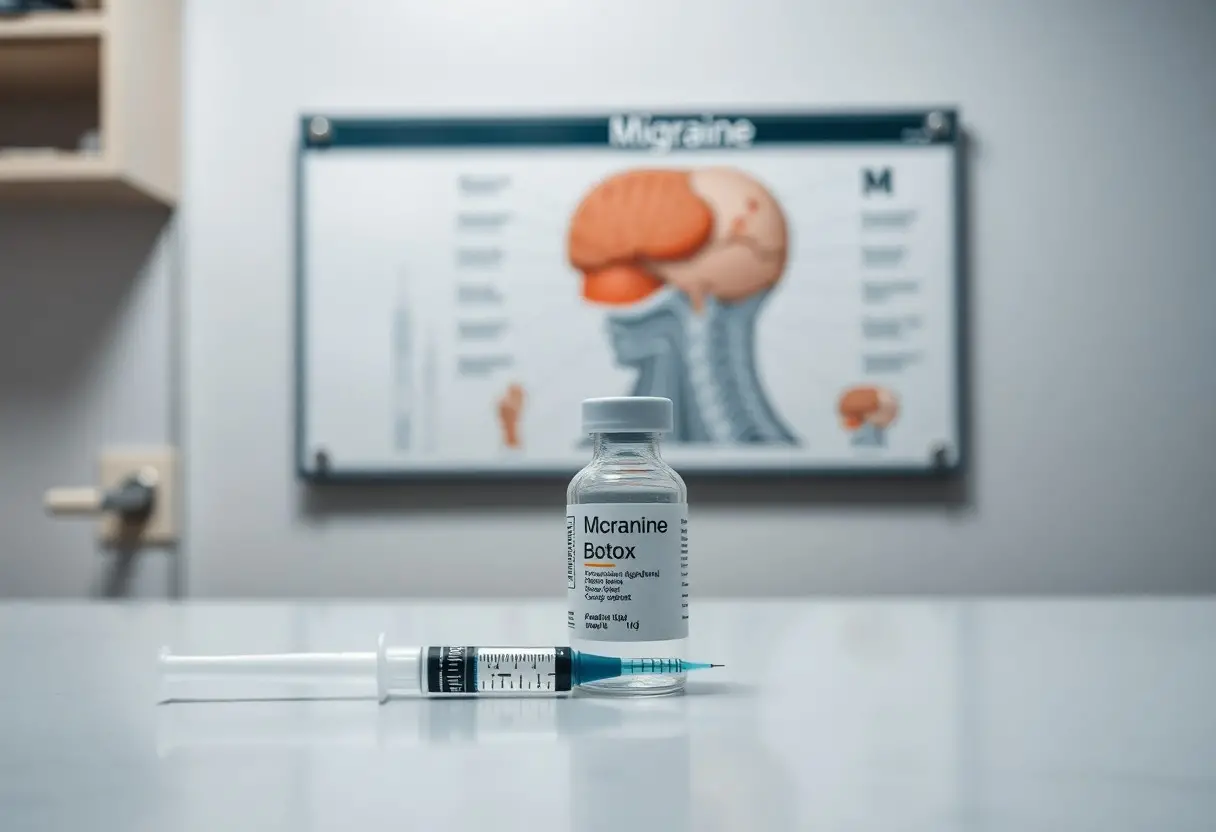
Numerous clinical studies demonstrate the effectiveness of Botox as a treatment for chronic migraines. The growing body of evidence highlights how Botox not only reduces the frequency of migraine attacks but also alleviates their severity. Patients who undergo Botox injections often report significant improvements, with many experiencing relief that lasts for several months following treatment.
Key Studies Demonstrating Efficacy
One pivotal study published in the journal “Headache” found that Botox administration resulted in a 50% reduction in the frequency of migraine days for over 40% of participants. Additionally, the PREEMPT studies showed substantial improvements in both headache frequency and patient quality of life, establishing Botox as a recommended treatment option for chronic migraines.
Comparison with Traditional Migraine Treatments
Compared to traditional migraine treatments like triptans and preventative medications, Botox offers a unique benefit. While triptans may be effective during an attack, they do not prevent future migraines. In contrast, Botox acts as a preventative measure, reducing the frequency of attacks over time without the side effects often associated with oral medications.
Comparison of Botox vs. Traditional Treatments
| Aspect | Botox | Traditional Treatments |
|---|---|---|
| Mechanism of Action | Prevents future migraines | Treats migraines during an attack |
| Duration of Relief | Up to 3 months | Short-term |
| Side Effects | Localized injection site pain | Nausea, dizziness, fatigue |
Traditional migraine medications, particularly triptans, are designed for acute headache management. However, the downside of these medications often includes potential side effects like nausea and dizziness, which can be debilitating. In contrast, Botox is injected every three months and serves as a long-term preventative strategy, making it a valuable option for individuals struggling to find consistent relief. The effective reduction of migraine days noted in clinical studies highlights its distinctive role in migraine management.
The Patient Experience: What to Expect with Botox Injections
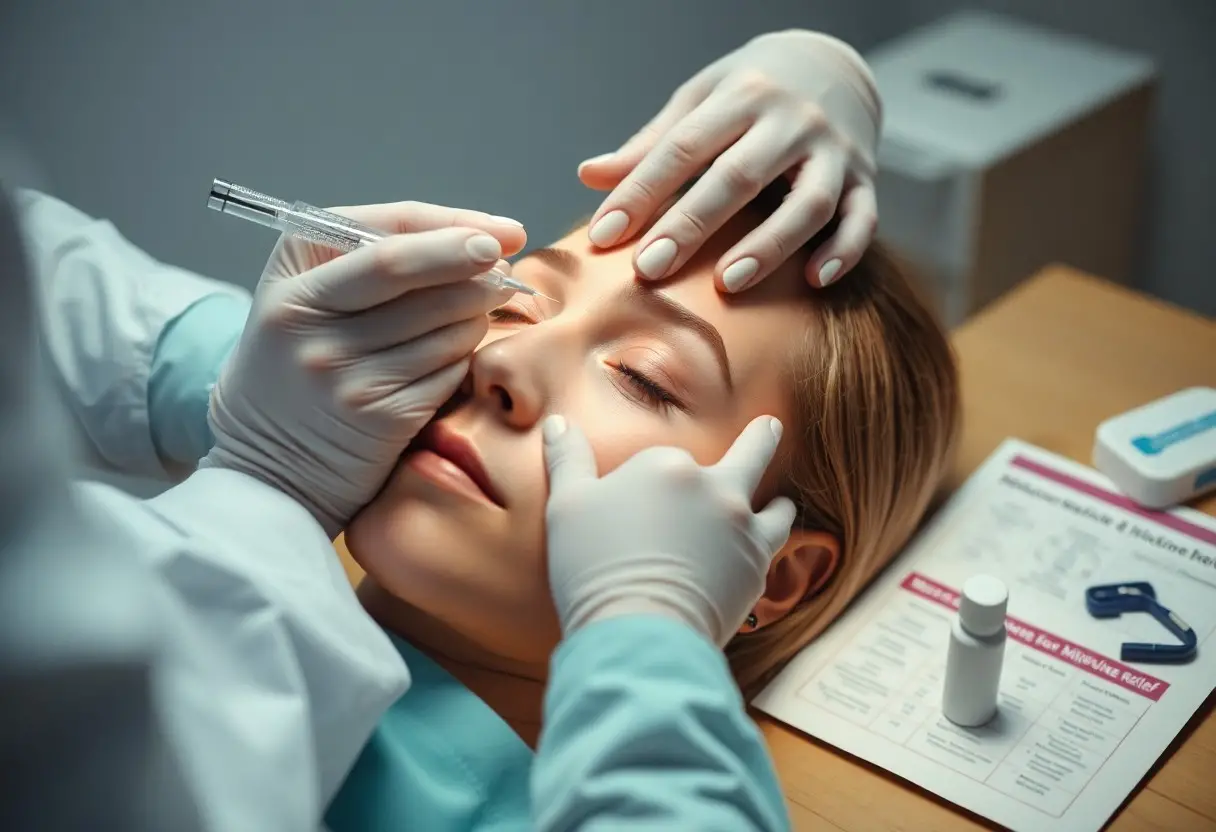
Expect the Botox injection process to be straightforward and efficient, often taking less than 30 minutes. During your appointment, a trained provider will assess your medical history and discuss the frequency and intensity of your migraines to tailor the treatment to your specific needs. Many patients report minimal discomfort during the injections, with the use of ice or numbing cream to enhance comfort. After the injections, you can resume your daily activities almost immediately, although it might take several days to start noticing a reduction in migraine frequency.
The Treatment Process: From Consultation to Results
Your journey starts with a detailed consultation where the provider evaluates your migraines, discusses treatment expectations, and formulates a personalized plan. Once you agree to proceed, the actual injection session involves administering Botox in targeted areas around your head and neck. Results typically begin to manifest within two weeks, with optimal effectiveness often seen about a month after treatment. Many patients experience a noticeable decrease in the frequency and severity of their migraines after a series of treatments.
Potential Side Effects and Risks to Consider
While Botox is considered safe for treating migraines, some potential side effects may include headaches, neck stiffness, or minor pain at the injection site. Rarely, patients might experience drooping eyelids or visual disturbances. Discussing any pre-existing medical conditions and medications with your provider is crucial to ensure your safety. Being aware of and managing these side effects is an integral part of the treatment journey.
Botox side effects can be varied and may affect individuals differently. In clinical studies, up to 20% of patients reported experiencing mild side effects, such as localized pain, swelling, or bruising at the injection site. Although rare, some people may develop more severe reactions like allergic skin reactions or flu-like symptoms. Staying informed and maintaining open communication with your provider can help manage any adverse effects, ensuring a smoother treatment process tailored to your needs.
Expanding the Conversation: Botox Beyond Aesthetics
Botox is not just about achieving a youthful glow; its medical applications are expanding. Beyond the treatment of chronic migraines, Botox has proven effective for a variety of conditions, including excessive sweating, overactive bladder, and even certain muscle disorders. By shifting focus from purely cosmetic uses, patients can explore a broader spectrum of relief and improvement in their quality of life. This shift invites a wider audience to consider how Botox might serve their health needs, rather than merely enhancing their appearance.
The Broader Implications for Chronic Pain Management
Utilizing Botox for chronic pain treatments offers new hope for millions battling conditions like fibromyalgia or chronic neck pain. Patients have reported significant reductions in pain and improved mobility, showcasing its potential as a non-invasive pain management solution. Furthermore, this medical use encourages new discussions about innovative treatments within the field of pain relief, paving the way for research and alternative therapies that can change lives.
Shifting Perspectives on Cosmetic Procedures
As the understanding of Botox expands beyond cosmetics, societal perceptions are beginning to shift. You may find that more individuals view Botox as a legitimate treatment option rather than an indulgent luxury. This marks a significant change, with many patients seeking Botox for its health-related benefits, thus destigmatizing its use. As research continues to uncover the medical advantages of Botox, the dialogue surrounding cosmetic procedures is evolving, encouraging a more holistic approach that values both health and beauty.
To wrap up
Conclusively, understanding the connection between Botox and migraine relief can empower you in managing your chronic headaches. The treatment has shown promise in reducing the frequency and intensity of migraines for many individuals. If you’re considering this option, consulting with your healthcare provider will help you assess if Botox is a suitable choice for your unique situation. By exploring various avenues like this, you can take an active role in improving your quality of life and alleviating the burden of migraines.