

Many people consider Botox; you should consult a licensed clinician, learn potential side effects, set realistic expectations, disclose medications, and schedule follow-up for safe, effective results.
Identifying a Qualified Medical Professional
Find a licensed medical professional who specializes in cosmetic injections; you should confirm they perform Botox in a medical setting, discuss risks, and offer clear follow-up care.
Verifying Board Certification and Experience
Check board certification in dermatology or plastic surgery, ask about specific Botox training and years of injector experience, and verify hospital privileges or clinic affiliations.
Evaluating Patient Portfolios and Reviews
Review patient portfolios for consistent, natural-looking before-and-after photos of people with similar facial anatomy, and scan reviews for mentions of safety, pain management, and realistic results.
Ask to see unedited photos with dates, multiple angles, and close-ups so you can judge true results; note whether patients match your age and concerns. Cross-check reviews across platforms, watch for repeated praise or complaints, look for provider responses to complications, and consider contacting past patients for candid feedback.
Defining Your Aesthetic Objectives
You should define whether you want subtle prevention, targeted smoothing, or fuller correction so your injector tailors dose, placement, and follow-up to preserve natural expression.
Distinguishing Between Preventative and Corrective Care
Consider timing and dosage: preventative treatments use lower doses to delay lines, while corrective sessions require higher, targeted injections to soften established wrinkles without freezing your face.
Understanding Targeted Facial Muscle Anatomy
Know which muscles drive your expressions-frontalis for brows, corrugators for frown lines, orbicularis oculi for crow’s feet-so injections focus on movement reduction, not appearance erasure.
Study how muscle size, strength, and asymmetry affect dosing; for example masseter injections slim jaws, while misplaced frontalis or orbicularis injections can cause droop, so your injector’s mapping and conservative approach minimize functional risk.
Preparing for the Appointment
Before your Botox appointment, confirm your medical history and allergies, arrange transportation if needed, avoid alcohol for 24-48 hours, and arrive with clean, makeup-free skin to speed prep.
Managing Medications and Supplements
Discuss with your provider any prescriptions, over-the-counter drugs, or supplements-especially blood thinners, aspirin, NSAIDs, fish oil, and vitamin E-since you may be asked to pause some for 7-10 days to lower bleeding and bruising risk.
Pre-Treatment Skincare Protocols
Avoid harsh exfoliants, prescription retinoids, and recent chemical peels for several days before treatment; keep your skin hydrated, use a gentle cleanser, and apply SPF to minimize irritation.
Use your regular moisturizer and avoid introducing new active ingredients in the week before Botox; if you use topical retinoids, consider pausing 3-7 days depending on strength and skin sensitivity. Avoid professional procedures like medium-to-deep chemical peels, laser resurfacing, or microneedling within at least one week, and consult your injector for specific timing if you have rosacea, acne, or a history of delayed healing.
Navigating the Injection Procedure
Injection is brief-most appointments take 10-20 minutes; you’ll recline while the provider marks sites, injects precise microdoses, and gives clear aftercare guidance before you leave.
Managing Sensations and Discomfort
Expect mild pinpricks and occasional pressure; you can ask for topical numbing or ice, and you should mention any anxiety so the clinician can pause or adjust technique.
Understanding Dosing and Placement
Dosing varies by facial area and muscle strength; your provider will tailor units and injection sites so you get natural movement while softening targeted lines.
Individual anatomy, previous treatments, and goals determine unit counts; your clinician often starts conservatively and adjusts at a two-week follow-up to refine symmetry and preserve natural expression.
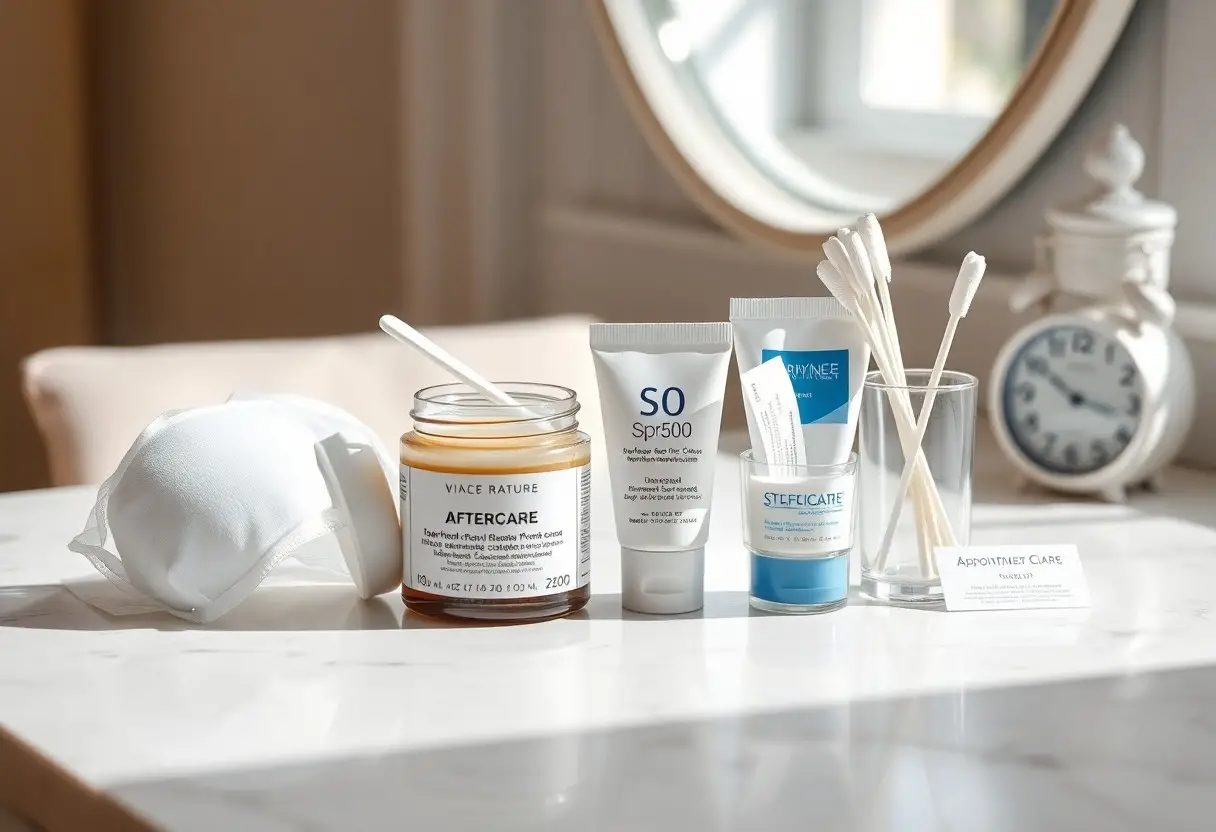
Implementing Post-Treatment Aftercare
Aftercare helps your recovery: keep treated areas clean, avoid rubbing or massage, apply ice briefly for swelling, skip intense exercise for 24 hours, remain upright for four hours, follow your clinician’s written instructions, and contact the clinic with any concerning changes.
Essential Activity and Positioning Restrictions
Avoid strenuous workouts, saunas, alcohol, and facial treatments for 24 to 48 hours; do not lie flat for four hours after injections; don’t massage the area unless instructed; refrain from heavy bending or intense heat to reduce spread and swelling.
Monitoring for Expected Side Effects
Expect mild bruising, redness, tenderness, or tiny bumps that usually fade within days; track symptoms, photograph changes, and contact your provider if you see worsening, drooping, severe pain, or vision changes.
If you notice new weakness, persistent asymmetry after two weeks, spreading numbness, severe headache, or vision changes, seek immediate medical attention; for mild bruises and swelling you can use cold compresses, over-the-counter acetaminophen, and gentle cleansing while following your clinician’s advice.
Assessing Longevity and Maintenance
You can expect Botox to last about three to four months on average; your metabolism, muscle strength, dose, and treatment area influence duration, so schedule follow-ups with your provider to preserve results.
Timeline for Peak Visual Results
Results typically peak around two weeks; you’ll notice improvement within 3-7 days, though individual response varies-compare photos and consult your injector if visible changes continue past four weeks.
Establishing a Consistent Treatment Schedule
Plan treatments every three to four months to maintain effects, adjusting intervals based on how long your results last and your aesthetic goals to avoid over- or under-treatment.
Discuss your lifestyle, activity level, and any medications with your provider so they can tweak dose or timing; keeping a short log of dates and outcomes helps refine the interval that works best for you.
To wrap up
Conclusively you should consult a qualified, licensed injector, review risks and benefits, disclose medical history, begin with conservative dosing, and schedule follow-up to confirm safe, effective results.