
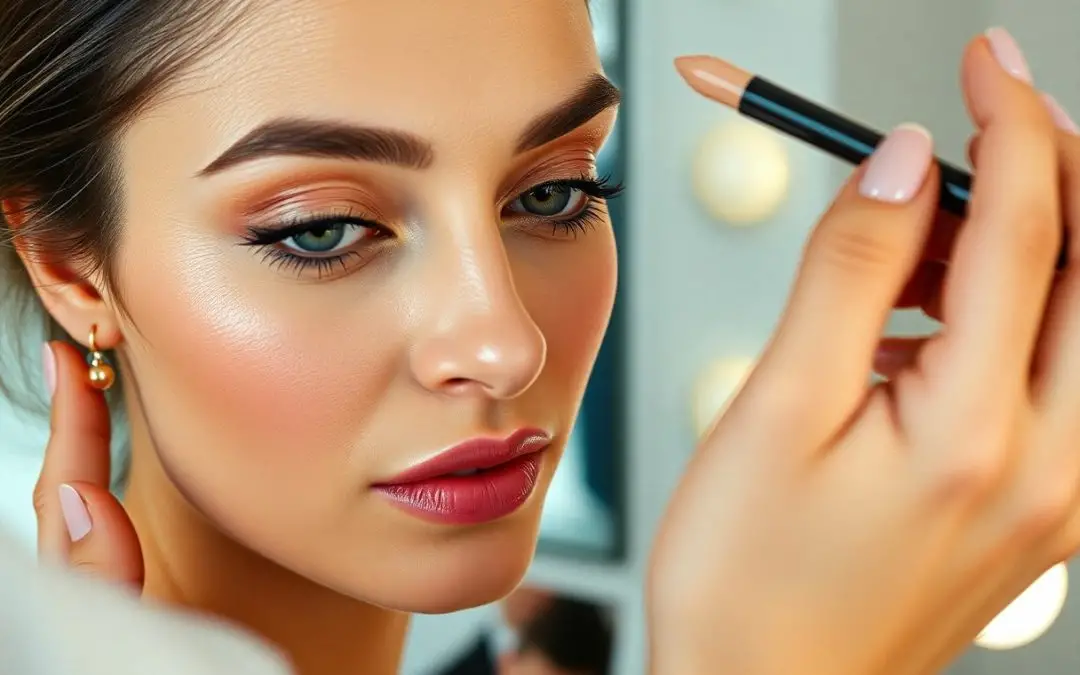
Over the years, many individuals have turned to Botox as a solution for reducing wrinkles and fine lines, but it also brings unique changes to your makeup routine. Understanding how Botox interacts with your skin and facial expressions can help you adapt your techniques for a more flawless finish. In this blog post, we’ll explore how the effects of Botox influence your makeup application, from foundation choices to eyeliner precision, ensuring you achieve the best results with your new look.
Transforming Beauty Routines: The Immediate Impact of Botox
Having Botox can shift your beauty routine significantly, often right from day one. As the effects kick in, you might notice your makeup gliding on more smoothly in areas that were once accentuated by fine lines or wrinkles. This newfound smoothness not only enhances your skin’s overall appearance but also gives you confidence in trying out different makeup looks. With fewer imperfections and a more youthful canvas, your application techniques may evolve, leading to a refreshing relationship with your makeup products.
Altered Facial Dynamics: Understanding Movement Restrictions
Post-Botox, some facial movements may become restricted, changing how you express yourself. This newfound lack of movement can lead to a more static appearance, affecting not only your visage but also how makeup reacts on your skin. Shadows and highlights might shift in unexpected ways, as certain areas cannot be animated in the same manner as before. This can influence your makeup application choices, requiring you to adapt your techniques to better suit the new dynamic of your facial features.
Adjusting Makeup Techniques: From Application to Blending
Your makeup techniques undergo a transformation after Botox, particularly in application and blending. With smoother skin, using a lighter touch can enhance the overall look, preventing an overly heavy appearance that might have been necessary before. You may find cream-based products more effective, as they easily glide over the skin, while still allowing you to achieve the desired coverage. Additionally, using stiffer brushes rather than sponges can help with precision, ensuring that you adapt to the subtle contours that result from the treatment.
Selecting the right makeup tools becomes even more integral after Botox. Primers enriched with hydration can smoothen the surface, while tinted moisturizers can unify your complexion without excessive layering. Transitioning to a stippling technique can also help in creating dimension without relying heavily on movement to modify shape. Learning how to utilize your newfound skin texture with light, airy makeup can dramatically alter your beauty routine, enhancing your features in a more subtle, refined manner.
The Psychological Shift: Rethinking Self-Image and Makeup Application
Receiving Botox can induce a significant psychological shift, urging you to reassess your self-image and the role of makeup in your beauty routine. With smoother skin and minimized wrinkles, the need for heavy foundation or contouring may diminish, allowing you to embrace a more natural look. This evolution often leads to increased self-acceptance, as you start to value your authentic self over the societal pressures of achieving an idealized appearance.
Confidence Boost or Dependency? The Emotional Landscape
The emotional landscape surrounding Botox is complex, as it can be both a confidence booster and a potential source of dependency. For many, the temporary enhancements provide a significant uplift in self-esteem, altering their perception of beauty and desirability. However, some individuals may find themselves reliant on these procedures to maintain a sense of well-being, which can blur the lines between natural beauty and artificial enhancement.
Makeup as a Form of Self-Expression: Changing Perspectives
As your perspective shifts with Botox treatments, so does your application of makeup. Instead of solely focusing on concealing imperfections, you may begin to explore makeup as a means of artistic expression. This newfound approach often encourages you to experiment with bold colors, intricate techniques, and creative designs, reinforcing the notion that makeup is not merely a tool for correction but a celebration of your individuality.
This transition can be liberating; you start viewing makeup as an extension of your personality rather than a mask to hide flaws. You might play with different styles—think vibrant eyeshadows and daring lip colors—reflecting your mood and creativity. With reduced focus on covering up imperfections, the process becomes more about enhancing features and expressing your unique style. Embracing this artistic side of makeup, you can cultivate a sense of joy and empowerment, transforming your beauty routine into an engaging creative outlet. Ultimately, Botox provides you with the confidence to explore and express your true self in ways you hadn’t considered before.
Precision in Cosmetic Choices: Adapting to New Facial Structures
With the changes in muscle movement and skin texture brought on by Botox, your approach to makeup must become more precise. Enhanced smoothness in targeted areas can make it easier to achieve a polished look with fewer products, while adjustments in facial contours may require you to rethink your typical techniques. The goal is to marry your existing makeup routine with these subtle shifts, allowing for effortless application that complements your modified facial structure.
Selecting the Right Products: Navigating Formulations and Textures
Picking the right products takes on a new significance after Botox. Opt for lightweight formulations like gel-based or water-infused foundations that won’t settle into fine lines but still provide even coverage. Cream blushes may replace powder formulas to create a dewy finish, while silicone-based primers can enhance smoothness, making your makeup glide over the newly relaxed skin without caking.
Techniques that Complement: Tailoring Application Methods
Adapting your application techniques involves embracing methods that align with your skin’s altered texture and tone. Use softer brushes and sponges for a blended look, while focusing on upward strokes can enhance the lifting effect of Botox. Lightly tapping your foundation onto the skin rather than dragging can help maintain a natural appearance, ensuring the product melds seamlessly with your complexion.
Experiment with stippling techniques for applying foundation, as this method adds dimension without emphasizing any new flatness. Use a dabbing motion rather than sweeping, especially in areas where Botox is most effective, like the forehead and around the eyes. Keeping pressure light will help maintain a soft appearance, while also allowing the product to harmonize with the smoother skin. A beauty blender can be particularly effective for this, letting you build coverage gradually while fine-tuning the final look. Ultimately, tailoring these techniques to accommodate your evolved facial landscape allows you to feel confident and beautiful.
Long-Term Considerations: Maintaining Makeup Integrity Post-Botox
As you enjoy the benefits of Botox, adjustments to your makeup application may become necessary. The altered skin texture and reduced muscle movement can affect how products adhere and blend. Opting for lightweight formulas that enhance your natural features without overloading your skin will help maintain a flawless appearance. Additionally, focusing on hydration and primer application can create a smooth canvas, ensuring long-lasting makeup that complements your new look.
Timing Your Routine: Best Practices Following Treatment
Timing your makeup routine after Botox is crucial for optimal results. Aim to wait at least 24 hours post-treatment before applying makeup, allowing the Botox to settle into the targeted areas. This waiting period helps prevent any disruption of the injection sites, ensuring that the effects last longer and minimizing the risk of irritation. When you do apply your makeup, consider using clean brushes and tools to maintain hygiene and avoid any unwanted complications.
Seasonal Trends: Adjusting to Changes in Facial Texture
With the changing seasons, your skin’s texture can fluctuate, particularly after Botox. Warmer months may bring increased humidity, which can affect how your makeup behaves and how your skin feels. Conversely, winter may lead to dryness, calling for richer, more hydrating products. Adapting your routine to align with these seasonal changes helps avoid makeup mishaps and keeps your skin looking its best.
In summer, lightweight, oil-free foundations or tinted moisturizers may work better, allowing your skin to breathe while providing coverage. Conversely, in winter, you may want to switch to cream-based products that offer hydration and prevent your skin from feeling tight or flaky. Seasonal changes can also influence your choice of setting sprays; a dewy finish may be preferred in the cooler months, while a matte finish can help combat summer shine. Staying attuned to your skin’s needs alongside seasonal trends will ensure your makeup not only looks good but feels comfortable as well.
Inspiring Change: How Makeup Artists Adapt to Botox-Affected Clients
Makeup artists are evolving their techniques to meet the needs of clients who have undergone Botox treatments. Understanding the changes in facial structure and expression helps them create flattering looks that enhance your natural beauty. From using lighter formulas to strategically placing highlights, these professionals are adjusting their artistry to embrace the newfound smoothness of Botox-affected skin while ensuring that you still feel confident and beautiful.
Best Practices from Professionals: Tips and Tricks
To best accommodate the unique qualities of Botox-treated skin, professionals suggest several best practices for makeup application:
- Use lightweight, hydrating foundations to avoid a cakey appearance.
- Focus on cream blushes and highlighters for a natural, dewy finish.
- Opt for softer brow products to complement the relaxed expression.
- Be mindful of under-eye concealers, preferring lighter textures that blend seamlessly.
Recognizing these adaptations can elevate your makeup experience, allowing you to fully embrace your transformed look.
The Future of Makeup Artistry: Evolving Techniques for New Norms
As Botox continues to gain popularity, makeup artistry will undoubtedly evolve. Innovations like customizable foundation shades and skin-smoothing primer formulations are emerging to cater to this trend. Notably, makeup artists are now incorporating techniques that focus on luminosity and minimalism, allowing your features to shine through without heavy layering. By staying attuned to cosmetic advancements and client desires, artists can craft refined looks that harmonize with the smoother texture that Botox provides.
Final Words
Conclusively, understanding how Botox affects your makeup application can greatly enhance your beauty regimen. With the reduction of fine lines and wrinkles, you may find that you require less foundation and concealer, allowing your natural radiance to shine through. However, it’s vital to adjust your technique to accommodate smoother skin. By being mindful of your product choices and application methods, you can achieve a flawless look that complements the effects of Botox, ultimately boosting your confidence and ensuring your makeup enhances your features beautifully.