
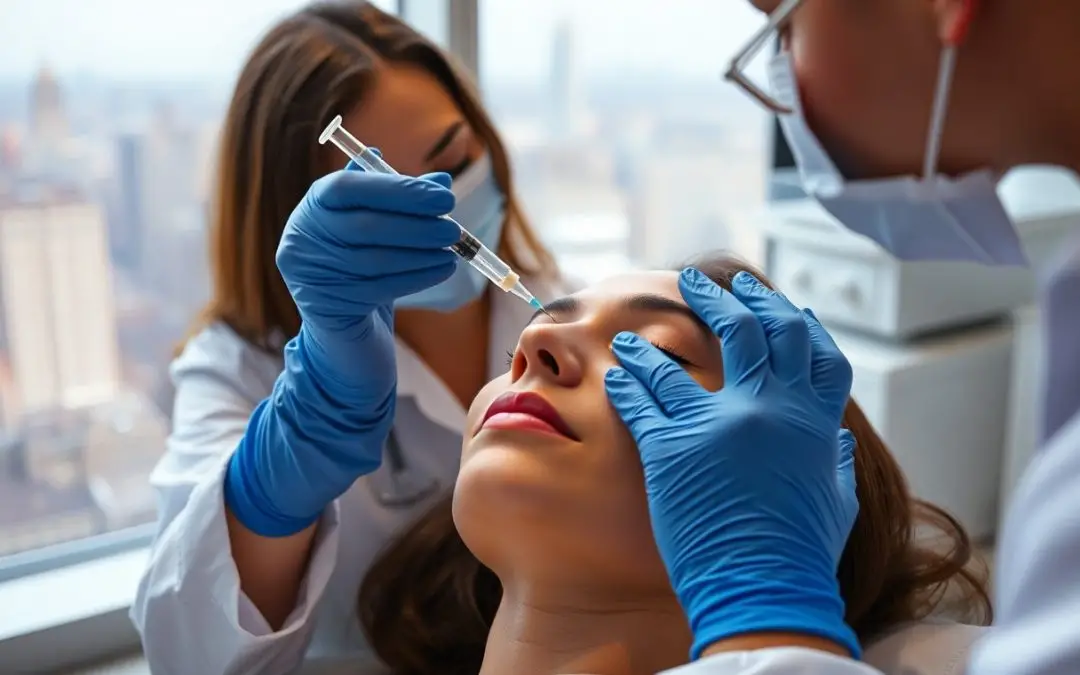
There’s a clear path to achieving subtle, natural-looking facial refinement with Botox in NYC when you choose experienced injectors who prioritize anatomy and proportion. You’ll learn how precise dosing, tailored injection patterns, and conservative touch-ups preserve your expressions while smoothing lines, helping you present a refreshed yet authentic version of your face.
Understanding Botox
You’ll find Botox is a precise, short-procedure option that uses measured units of onabotulinumtoxinA to soften dynamic lines without altering your natural facial architecture; treatments typically take 10-20 minutes, require minimal downtime, and deliver effects that begin around day 3, peak near two weeks, and usually last about 3-4 months depending on dose, muscle strength, and your metabolism.
What is Botox?
Botox is a purified neuromodulator derived from Clostridium botulinum, FDA-approved for glabellar lines since 2002 and used off-label for forehead lines, crow’s feet, and jaw slimming; you’ll also see it used medically for chronic migraine, hyperhidrosis, and muscle spasm, with dosing expressed in units so your clinician can tailor treatment precisely to your anatomy and goals.
How Does Botox Work?
Botox blocks acetylcholine release at the neuromuscular junction, temporarily reducing targeted muscle contractions so overlying skin smooths; you’ll typically notice onset in 3-7 days, maximal effect at two weeks, and return of movement over about 3-4 months as nerve terminals regenerate, which is why maintenance injections are scheduled around the 3-4 month mark for most patients.
Factors that change how Botox performs for you include muscle mass, baseline activity (heavy frontalis often needs higher units), injection depth and spacing, and dilution; for example, treating strong masseter muscles may require 25-40 units per side while glabellar lines commonly use 15-30 units total, and careful placement-staying roughly 1 cm above the brow when treating forehead-reduces risks like eyebrow droop.
Benefits of Botox for Facial Aesthetics
You can achieve targeted smoothing and subtle lifting without surgery: treatments typically take 10-20 minutes, with visible improvement within 3-7 days and peak effect at two weeks. On average results last 3-4 months, allowing you to plan maintenance. Precise dosing and placement lets clinicians soften glabellar lines, forehead creases, and crow’s feet while preserving expression, and pairing Botox with topical resurfacing or fillers can enhance contour and texture for a cohesive, natural outcome.
Natural-Looking Results
When you opt for a natural result, clinicians use micro-dosing and strategic placement-often called “Baby Botox“-to soften lines without freezing movement. Small doses (commonly 2-6 units per injection site) or diluted microinjections (20-40 tiny points across the forehead) maintain eyebrow mobility and facial animation. Studies and patient surveys consistently show higher satisfaction when providers prioritize gradual, conservative correction over aggressive smoothing.
Minimizing Fine Lines and Wrinkles
Botox reduces dynamic wrinkles by weakening overactive muscles, so you’ll notice lines around the eyes and between the brows flatten within days and continue improving to two weeks. Typical dosing ranges from 5-15 units per side for crow’s feet and 15-25 units total for the glabella; repeat treatments every 3-4 months sustain results. Combining Botox with collagen-stimulating treatments can convert temporary smoothing into longer-term skin quality gains.
Mechanistically, Botox blocks acetylcholine release at the neuromuscular junction, preventing repeated muscle contractions that deepen lines; within 3-7 days you’ll see reduced movement, and objective scales often record a 1-2 grade improvement at two weeks. If you begin treatments before static lines form, you can slow wrinkle progression; if static creases exist, pairing Botox with hyaluronic acid fillers or microneedling often yields a 30-60% greater visible improvement than Botox alone in combined-treatment studies.
Choosing the Right Provider in NYC
In NYC you should prioritize providers who combine anatomy expertise with aesthetic restraint: seek board-certified dermatologists or plastic surgeons and experienced injectors who can explain why they use specific unit counts (glabellar lines commonly need ~20 units). Ask about hands-on experience treating your concern, clinic sanitation, and follow-up policies; many top practices offer 1-2 week review visits to assess natural outcomes and adjust dosing if needed.
Importance of Credentials
Verify board certification (ABMS member boards), New York license via NYSED, and memberships in ASDS or ASPS; these indicate formal training in facial surgery or dermatologic procedures. Prefer clinicians with focused injectable experience – typically 3+ years and a portfolio of hundreds of cases – and confirm RN/PAs work under physician supervision when applicable. Also ask about malpractice insurance and ongoing CME in neuromodulator techniques.
Patient Reviews and Testimonials
Check RealSelf, Google, Healthgrades and Yelp for ratings and look for providers with 4.5+ average stars and at least 20 reviews describing consistent natural results. Prioritize before/after galleries and video testimonials that specify units used, areas treated, downtime and timelines (for example, “10-20 units to soften frown lines, natural at two weeks”). Pay attention to comments about bedside manner, bruising rates and honesty about expectations.
When analyzing reviews, filter for patients matching your age, skin type and treatment goals and note recurring details: how many units delivered, whether touch-ups were included at two weeks, and whether complications (bruising, asymmetry) were addressed promptly. Ask the clinic to show before/after photos of cases done by the exact injector you’d see, and use reviews to confirm their stated follow-up protocol and pricing transparency.
The Botox Procedure
Preparing for Your Appointment
Skip NSAIDs and blood-thinning supplements (aspirin, ibuprofen, fish oil, vitamin E) for 7-10 days and avoid alcohol for 48 hours to lower bruising risk. Bring a medication list and recent photos of your desired look, arrive with a clean face, and expect a focused review of your medical history and goals. Topical numbing can be applied for about 20 minutes if you prefer, though most clinicians rely on cooling and a 30-32 gauge needle for minimal discomfort.
What to Expect During Treatment
The injection session typically lasts 10-20 minutes; your provider will mark sites and administer small 2-5 unit aliquots with a 30-32 gauge needle. Depending on treated areas you may receive 20-50 total units-for example glabella often requires 15-25 units and forehead 10-30 units. You’ll feel brief stinging or pressure, ice or topical anesthetic can ease sensations, and there’s generally no downtime so you can return to most activities immediately.
Results usually begin in 3-5 days, peak at 10-14 days, and last about 3-4 months; a two-week follow-up allows for touch-ups, especially on first treatments. Expect minor bruising in roughly 10-15% of patients and uncommon side effects like headaches or temporary eyelid droop; disclose neuromuscular conditions or allergies beforehand. Gradual return of muscle movement signals when planning your next maintenance session.
Aftercare and Recovery
Immediate Post-Treatment Care
After treatment, you should gently ice the treated sites 10-15 minutes every hour for the first 4-6 hours to reduce swelling and bruising. Stay upright for 4 hours and avoid rubbing or massaging the area. Skip strenuous exercise and alcohol for 24 hours, and use acetaminophen if needed; most minor bruises resolve within 5-10 days and any pinpoint redness fades in 24-48 hours.
Long-Term Maintenance
You can expect effects to begin in 3-5 days, peak at about two weeks, and typically last 3-4 months; scheduling follow-ups every 3-4 months helps maintain a consistent, natural look. Track asymmetry and report it at your 2-week check for touch-ups-roughly 10-15% of patients need minor adjustments. Keep photos to compare results and refine dosing over time.
To preserve a clean, natural result you should work with your injector to titrate dose and interval: many patients start with 10-20 units for the glabella and reduce dose 10-30% over 2-3 cycles to retain movement while softening lines. Combining Botox with daily SPF and a retinoid can improve skin quality and extend visible benefits; clinical practice shows sunscreen use and retinoid therapy reduce photoaging that accentuates lines. Maintain a treatment log with photos and note any functional changes-report droop or asymmetry within 14 days for correction-and budget for about 3-4 sessions per year to avoid resetting muscle memory.
Potential Risks and Side Effects
You may experience mild, expected effects after Botox; reported rates vary-bruising occurs in about 10-20% of patients, transient headache in 1-4%, and eyelid ptosis roughly 1-5% after glabellar injections. Most issues are temporary, resolving within two weeks, but rare systemic spread can cause generalized weakness requiring urgent evaluation.
Common Reactions
Injection-site redness, swelling, and small bruises are the most frequent reactions, typically fading in 3-10 days; mild headaches or flu-like fatigue occur in around 1-4% of people. You might also notice brief muscle weakness near the treated area-for example, temporary eyebrow asymmetry after forehead injections-which usually improves over 2-6 weeks.
When to Seek Help
Seek immediate medical attention if you develop difficulty breathing, swallowing, speaking, or sudden vision changes, especially within 24-72 hours of treatment. Contact your injector promptly for persistent eyelid or facial droop beyond two weeks or progressive weakness; documented delays in care can worsen outcomes in the rare instances of systemic spread.
If you experience severe symptoms, call emergency services and tell clinicians about recent botulinum toxin exposure-antitoxin is available in hospitals for confirmed systemic botulism. For non-emergent concerns, photograph changes, note symptom timing, and contact your provider; many reported cases of dysphagia or ptosis resolve with supportive care over weeks to months.
Summing up
To wrap up, if you seek clean, natural facial results with Botox in NYC, choose an experienced, licensed injector who tailors treatment to your facial anatomy. You’ll benefit from conservative dosing, precise placement, and realistic goals to maintain expression while smoothing lines. With proper consultation and aftercare, you can achieve subtle, refreshed results that complement your features and lifestyle.