
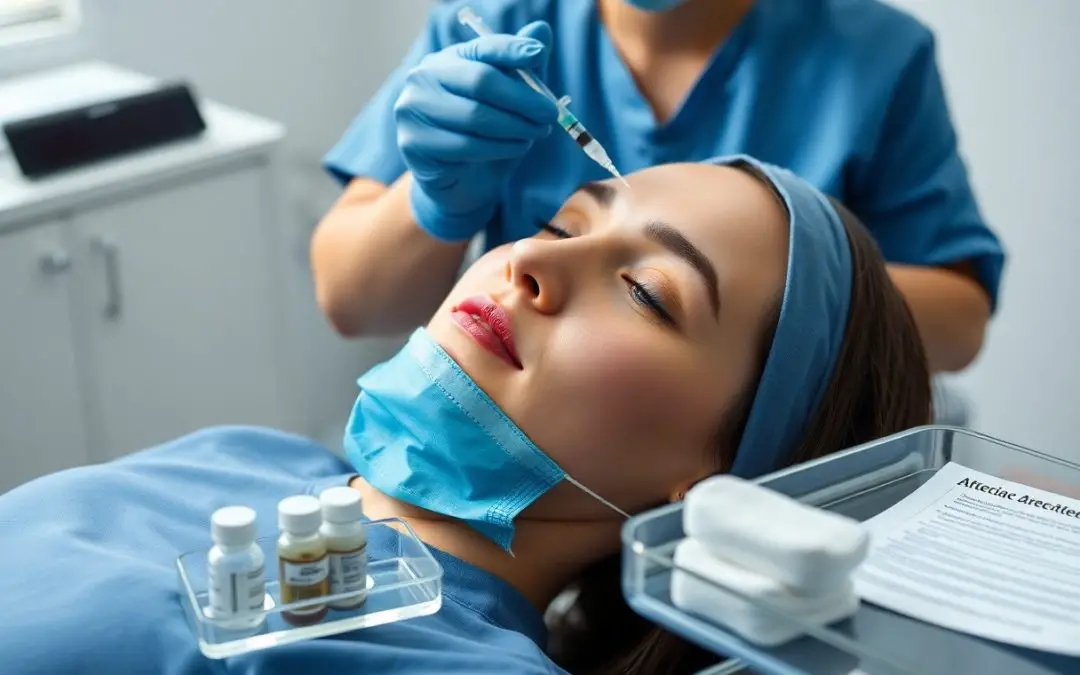
Pre-Treatment Consultation and Preparation
During your consultation, the provider reviews expectations, examines the target areas, and outlines a plan so you know what to expect and can give informed consent before any injections.
Medical History Review and Goal Setting
Your provider asks about medications, allergies, past procedures, and aesthetic goals so you can set realistic expectations and avoid interactions that increase bleeding or bruising risk.
Essential Pre-Injection Guidelines
Avoid alcohol, aspirin, ibuprofen, and supplements like fish oil for 48-72 hours when possible, and arrive with clean skin so you reduce bruising and ensure accurate injections.
If you take blood thinners or have a bleeding disorder, inform your clinician; you may be advised to adjust medications with physician approval to minimize hematoma risk and preserve results.
The Procedure: What to Expect During Injections
During the injection session, you’ll lie comfortably while the clinician uses tiny needles at mapped points to relax muscles; the process typically takes 10-20 minutes and you can speak or sit up as needed.
Identifying and Mapping Target Areas
Your practitioner will assess muscle movement and mark injection sites to target expression lines precisely, ensuring natural-looking results while minimizing doses.
Managing Sensation and Comfort Levels
Expect mild pinches or pressure that you’ll feel briefly; topical numbing or ice can be offered to reduce discomfort.
If you’re anxious about needles, ask for topical anesthetic, slower injections, or short breaks; sensations are fleeting because targeted muscles are small, and you can return to normal tasks immediately, though avoiding strenuous exercise and facial massage for 24 hours helps limit product spread.
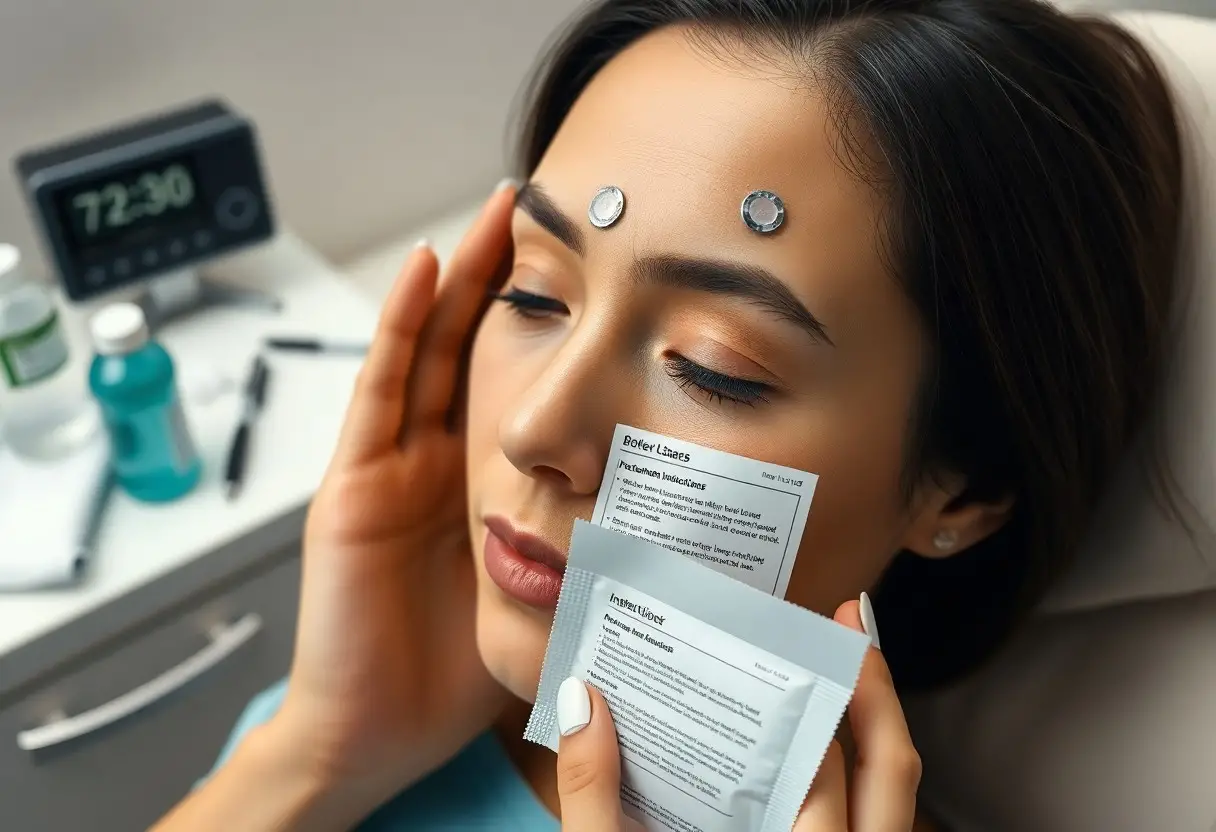
Immediate Post-Treatment Care
You should apply a cold compress intermittently, avoid rubbing the treated areas, and stay upright for a few hours; most effects settle quickly and your provider will give follow-up instructions.
Managing Minor Redness and Swelling
Apply a clean, cool compress for short intervals and avoid massaging treated sites; mild redness or tiny bumps usually resolve within 24-48 hours.
Essential Activity Restrictions for the First 4 Hours
Avoid lying flat, bending over, strenuous workouts, and alcohol for the first four hours to reduce diffusion and bruising risk.
Keep your head elevated and remain upright for at least four hours; avoid hot showers, saunas, facial treatments, and vigorous exercise for 24 hours, and consult your provider if you experience increasing swelling, severe pain, or unusual asymmetry.
The First 48 Hours: Recovery and Safety
Expect mild redness, swelling, or tiny bruises after injections; stay upright for a few hours and avoid rubbing treated areas. Skip intense workouts and heat for 48 hours. Effects begin over several days, and you should contact your provider if symptoms worsen or you notice spreading weakness.
Monitoring for Potential Side Effects
Watch for drooping eyelids, difficulty swallowing, severe pain, or vision changes; if you notice any, contact your provider immediately. Mild headaches, bruising, or temporary flu-like symptoms can occur and usually resolve within a few days.
Dos and Don’ts for Exercise and Skincare
Limit strenuous exercise, heavy lifting, and facial massage for the first 48 hours, and avoid saunas, hot tubs, and alcohol to reduce bruising and migration. Use gentle cleansers and skip exfoliants until the injection sites settle.
You should also avoid non-important blood thinners and supplements that increase bleeding risk for a few days unless your provider advises otherwise; hold makeup for several hours and postpone facials or laser treatments for two weeks to allow the toxin to settle. Apply cool compresses for comfort if needed, avoiding pressure on injection points.
The Evolution of Results
Expect your treated areas to show subtle softening within days, with noticeable smoothing by two weeks; modest refinements can continue for several weeks as muscles adjust and you monitor progress before deciding on any changes.
The Initial Onset vs. Final Peak Effects
You may see initial softening within three to seven days, while peak effects usually appear around two weeks, and small improvements can continue for several weeks depending on dosing and muscle activity.
Assessing Symmetry and Muscle Relaxation
Check your relaxed and animated photos at the two-week mark to gauge balance; minor asymmetries often resolve with time or a targeted touch-up.
During follow-up, your provider will evaluate movement at rest and during expression, compare standardized photos, and may recommend a precise microdose to correct residual imbalance; if asymmetry persists after the two-week window, a small adjustment at the follow-up visit typically evens results without altering your overall plan.
Long-Term Maintenance and Longevity
Maintenance of Botox involves routine touch-ups to preserve results; you’ll typically schedule treatments every 3-6 months based on how your muscles respond and your aesthetic goals.
Factors Influencing How Long Results Last
Several variables affect longevity, including dose, injection technique, muscle strength, product type, and your metabolism. Assume that higher doses, targeted placement, and slower metabolism generally prolong your results.
- Your age and metabolism
- Your dosage and units
- Your injector’s technique
- Your daily muscle activity
- The specific product used
Scheduling Maintenance Appointments
Plan to have follow-ups about every 3-4 months at first, then space them farther as your results stabilize; keeping consistent appointments helps you maintain smooth results.
Coordinate timing around travel, events, or medication changes and inform your injector about new health updates; your provider will adjust intervals based on how you respond, aiming to preserve results while avoiding unnecessary treatments.
To wrap up
Presently you will meet with the injector for a brief assessment, then receive quick injections with minimal discomfort. Expect mild swelling or bruising, no downtime, and results developing over 3 to 14 days; effects typically last three to four months. Avoid rubbing treated areas and attend a follow-up if needed.